
How to Choose the Right HVAC Unit for Your Home: Sizing, Efficiency, and More
Published · Updated
"Bigger is better" is a common misconception when it comes to air conditioning. In reality, an oversized unit can be just as problematic as an undersized one. Choosing the right HVAC unit involves a delicate balance of size, efficiency, and type.

Why Size Matters: The Goldilocks Principle
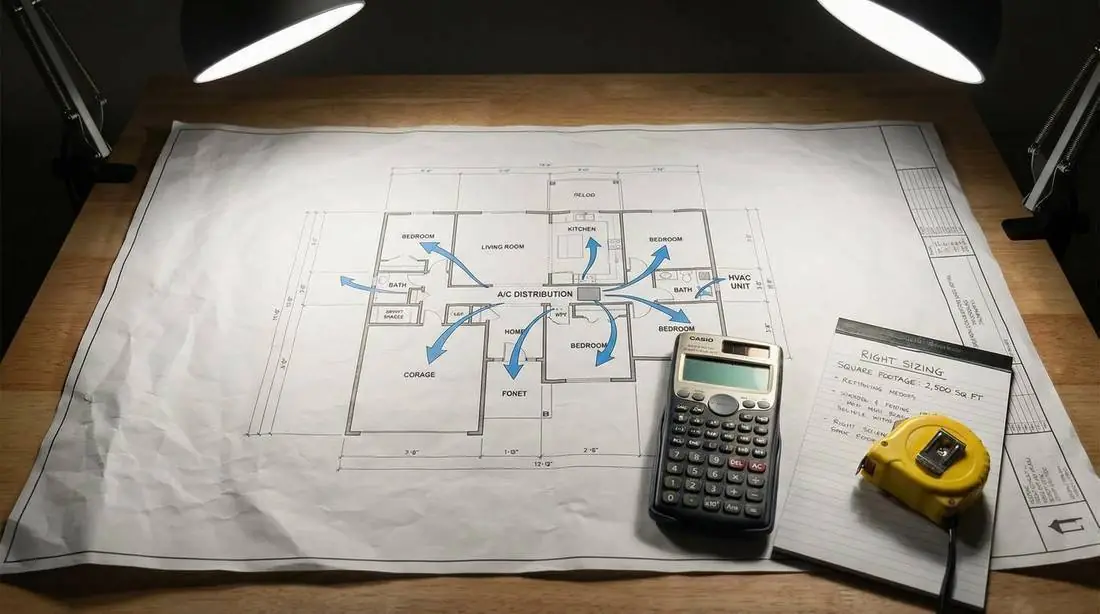
HVAC sizing is measured in BTUs (British Thermal Units) or "tons." One ton equals 12,000 BTUs/hour. Getting the size exactly right is critical for two main reasons:
- Oversized Units: They cool the room too quickly and shut off before removing humidity. This leads to "short cycling," which wears out the compressor faster and leaves your home feeling cold but clammy.
- Undersized Units: They run constantly, trying to reach the set temperature but never quite making it. This results in sky-high energy bills and a system that burns out prematurely.
Rule of Thumb: Generally, you need about 20 BTUs for every square foot of living space. However, this varies based on ceiling height, insulation quality, and sun exposure.
Efficiency: Decoding SEER Ratings

SEER describes seasonal cooling output relative to electricity use. Newer equipment uses SEER2 ratings under an updated test procedure. Compare ratings for matched systems, along with installation requirements and expected use.
14-16 SEERStandard EfficiencyGood for budget upfront, standard performance.17-20 SEERHigh EfficiencySweet spot for energy savings vs. cost.21+ SEERUltra EfficiencyMaximum savings, whisper quiet, premium cost.Portable vs. Permanent: Which is Right for You?
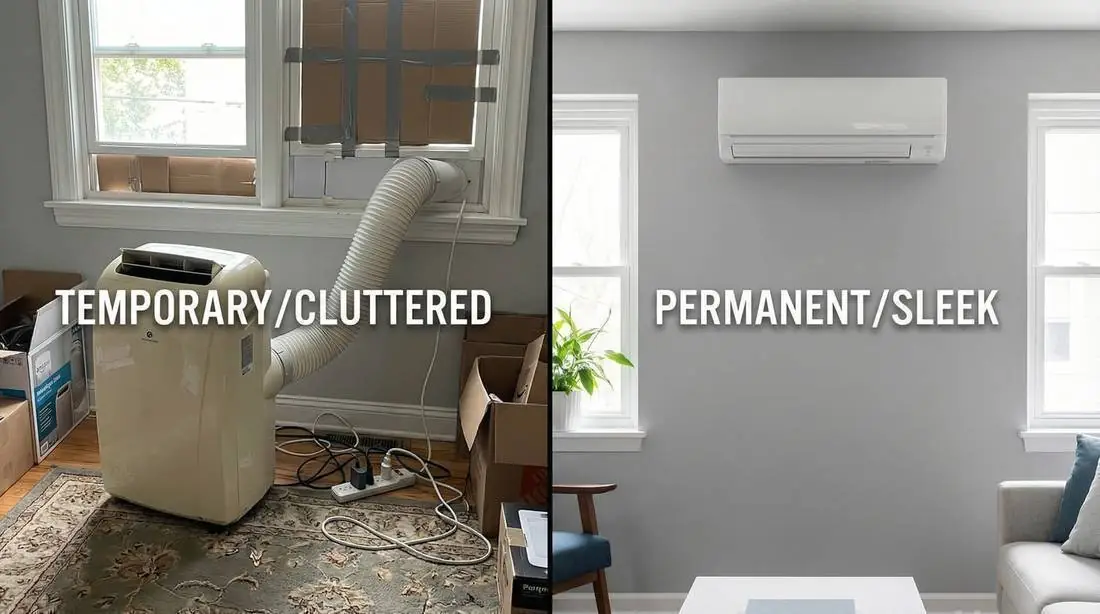
| Feature | Portable / Window Units | Permanent (Central / Split) |
|---|---|---|
| Installation | DIY friendly, no tools needed | Professional installation required |
| Efficiency | Low (8-10 EER) | High (16-25+ SEER) |
| Noise | Loud (compressor is in the room) | Quiet (compressor is outside) |
| Aesthetics | Blocks window, takes up floor space | Unobtrusive, adds home value |
Key Factors to Consider
Square Footage
The primary factor for sizing. Don't guess - measure.
Energy Costs
Potential energy savings depend on the old system, usage, weather, installation, and electricity rates. Compare operating-cost estimates with the complete installed price.
Climate
Our hot California summers demand reliable, high-capacity cooling.
Budget
Consider financing options to afford a better, longer-lasting system.

The ultimate goal: year-round comfort for your family
Final Thoughts
Choosing the right HVAC unit is about more than just picking a box off a shelf. It's about engineering a comfort solution that fits your specific home and lifestyle.
If you're unsure about sizing or which type of system is best for your home, don't guess. A professional load calculation is the only way to be certain.
Common Questions Before You Choose
How do I choose the right size HVAC unit?
The right size should be based on load calculation, home layout, insulation, windows, sun exposure, duct condition, airflow, and comfort goals. Guessing by square footage alone can lead to short cycling, poor humidity control, or high bills.
What happens if an HVAC unit is too big?
An oversized HVAC unit can short cycle, create uneven comfort, reduce humidity control, increase wear, and make the home less comfortable even if the equipment is new.
Is SEER2 the only efficiency number that matters?
No. SEER2 is important for cooling efficiency, but equipment match, installation quality, duct leakage, airflow, thermostat setup, and maintenance also affect real energy use and comfort.
When should I choose a heat pump instead of a furnace and AC?
A heat pump can be a strong option when the home needs efficient heating and cooling, rebate eligibility is available, electrical capacity works, and the comfort plan fits the home. Some homes still benefit from comparing dual-fuel or conventional options.
Should Title 24 and HERS / ECC checks be part of HVAC unit selection?
Yes. California HVAC work can involve Title 24 documentation and HERS / ECC field verification and diagnostic testing when required by the project scope. Those items should be reviewed before final equipment and cost decisions.
Get a Professional Assessment
Our experts at Precision Air Solutions can perform a detailed load calculation for your home and recommend the perfect system.
Schedule Your Consultation Back to Blog